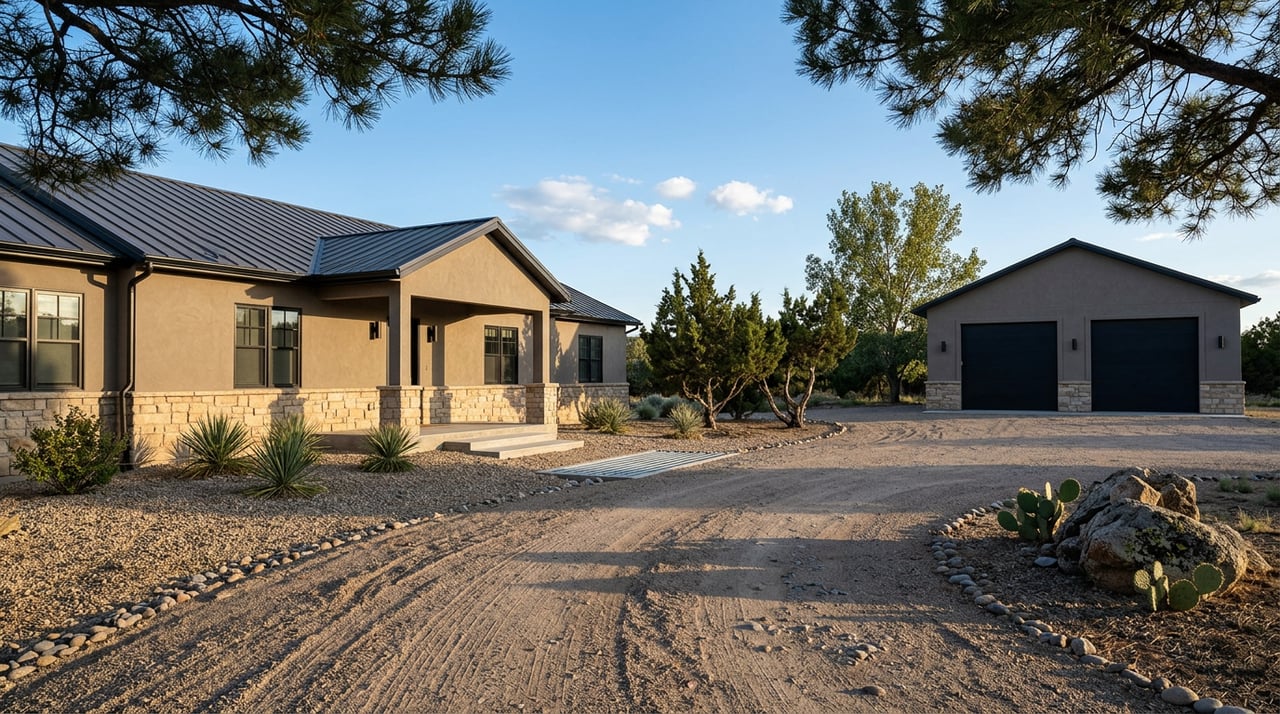
Imagine waking up to wide‑open views, quiet mornings, and trailheads just a short drive away. If you’ve been craving space, privacy, and a true small‑town rhythm, owning acreage in Dewey‑Humboldt can deliver it. At the same time, rural living comes with real logistics: wells, septic, wildfire readiness, and access checks. In this guide, you’ll learn what day‑to‑day life feels like, what to verify before you buy, and how to plan a smooth path to closing. Let’s dive in.
Dewey‑Humboldt lifestyle at a glance
Dewey‑Humboldt sits where high desert meets the Bradshaw Mountain foothills. You’ll see juniper and chaparral on lower parcels and pinyon or ponderosa on uplands. That mix creates a range of lot types, from gentle valleys to rockier ridges, often with big‑sky views and a quiet, open feel. The town keeps a small‑community pace and provides a helpful portal for permits, meetings, and local updates through the Town of Dewey‑Humboldt.
Outdoor access is a daily perk. The Prescott National Forest’s Granite Mountain and nearby networks offer hiking, biking, and horseback trails within easy reach of most addresses. If time outside is non‑negotiable for you, that close proximity to Prescott National Forest wilderness areas is a major draw.
You’ll also feel a working‑farm influence in the local calendar. Seasonal events at places like Mortimer Farms add a friendly, rural rhythm that many acreage owners enjoy.
Parcel types and zoning basics
Acreage in Dewey‑Humboldt typically includes small ranches, hobby farms, and larger single‑family lots. Many parcels sit in rural zoning and may allow animals, outbuildings, and more flexible site plans than suburban subdivisions. That said, “acreage” is a broad term. Not every multi‑acre lot permits the same uses, and rules can differ between town limits and unincorporated county areas.
Rural zoning (RCU) essentials
The town’s Rural (RCU) district is designed for non‑urban uses and typically starts around a two‑acre minimum density in many classes. Setbacks, animal allowances, and outbuilding rules can vary by designation. Before you plan corrals, barns, or multiple structures, confirm the exact zoning for your parcel in the Dewey‑Humboldt Code of Ordinances.
Guest houses and ADUs
If you’re dreaming about a guest cottage or multi‑generational setup, check the Accessory Dwelling Unit section of the code. The town sets clear standards for minimum lot size, design, and occupancy. Importantly, ADUs are subject to a size limit that includes a 750 square foot or 25 percent cap of the main dwelling, along with other requirements. Review the town’s ADU standards and confirm that the specific parcel’s zoning supports your plans.
Water and wastewater: wells and septic
Water and wastewater are the most common make‑or‑break factors for acreage buyers. Many homes rely on private wells and on‑site septic systems rather than municipal services. Expect to evaluate both early in your search and during contingencies.
Private wells 101
In Arizona, wells must be registered with the Arizona Department of Water Resources. For new wells, you file a Notice of Intent to Drill. If the well will serve a parcel of five acres or less, the local health authority usually reviews the NOI before the state processes it. As a buyer, ask for the well’s registration number, well log, any yield or pump test data, and recent water‑quality results. Get oriented with ADWR’s well permitting FAQs.
Some Dewey‑Humboldt addresses are served by small public or private water systems. Because parts of the area have recorded water‑quality concerns tied to natural arsenic in groundwater and legacy mining, prioritize an independent lab test for arsenic, nitrate, and coliform before closing.
Septic systems and soils
Arizona follows statewide on‑site wastewater rules administered by ADEQ and often delegated to the county. The typical path includes a soils/site evaluation followed by a system design and approval before occupancy. In rocky or caliche‑heavy soils, or where slopes are steeper, you may need an engineered or alternative system. Build a septic feasibility contingency into your offer and request the seller’s permit and maintenance history. For a high‑level overview, review ADEQ’s on‑site wastewater forms and guidance.
Legacy mining and water testing
If your parcel sits near the Iron King Mine or the Humboldt Smelter areas, add extra care to your due diligence. The town maintains a resource page linking to cleanup updates and background. If you plan a garden, livestock area, or a play yard, consider soil or dust sampling. You can learn more from the town’s page on the Iron King Mine and Humboldt Smelter project.
Access, utilities, and internet
Acreage life is easier when you confirm access and utilities up front. Do not assume that a visible driveway equals legal access or that high‑speed internet is available at every rural address.
Roads and recorded access
Verify that the parcel has legal access by deeded easement or a public road. If the access road is privately maintained, request any road‑maintenance agreement and budget for periodic grading and dust control. Your title report and survey should confirm easements that serve utilities, driveways, and drainage.
Power, propane, and line extensions
Most parcels in the area are on the regional grid. If the site is more remote, a utility line extension can add cost. Ask the seller or utility for a written estimate before you finalize budgets. Many rural owners use propane for heat or backup, so plan for tank placement and refills as part of your site layout.
Internet and phone
Broadband can be uneven across rural Yavapai County. Typical solutions include fixed wireless, cellular home internet, or satellite. Coverage is address‑specific, so confirm provider maps and actual signal strength at the property rather than relying on a general coverage claim.
Wildfire, wildlife, and land care
Living near open space brings both beauty and responsibility. Wildfire risk, seasonal maintenance, and respectful wildlife awareness are part of everyday planning.
Wildfire readiness
Dewey‑Humboldt sits within a regional wildland‑urban interface. Creating defensible space, thinning vegetation, and hardening your home are the top steps for safety and insurance. Yavapai County’s Hazard Mitigation Plan outlines risk patterns and community programs that support fuels reduction. Review the county’s hazard mitigation plan as you plan your property improvements, and check local burn and fire‑restriction notices seasonally.
Insurance pricing often reflects distance to hydrants, fire access, and outbuilding exposure. Get quotes early and ask what actions insurers require for coverage in higher‑risk zones.
Wildlife realities
It is common to see mule deer, javelina, coyotes, raptors, and rattlesnakes on acreage. In higher wooded slopes, occasional black bear sightings are possible. Secure trash, protect gardens, and learn basic wildlife‑safe practices so you can enjoy regular sightings from a respectful distance.
Seasonal maintenance
Plan for a running list: fencing and gate work, water‑system upkeep for wells and pressure tanks, private‑drive grading after storms, and erosion control near washes. A simple annual schedule and reserve budget will help you stay ahead of wear and tear.
Buying acreage: a practical checklist
Use this quick list to frame your search and write stronger, safer offers.
Pre‑offer checks
- Confirm jurisdiction and zoning. Verify whether the parcel is inside town limits or in unincorporated county, then check the exact zoning district and permitted uses in the town code.
- Wells. Request the ADWR well registration number, well log, and any pump test or yield data. If no well exists, include a well‑feasibility contingency and understand ADWR well permitting basics.
- Septic. Ask for septic permits and maintenance history. For raw land or questionable soils, order a site/soils evaluation under ADEQ and county procedures. Start with ADEQ’s on‑site wastewater overview.
- Access and roads. Confirm recorded legal access and whether roads are public or privately maintained. Request any road‑maintenance agreement and budget for grading.
- Hazards and contamination. If near the Superfund study area, consult the town’s page on the Iron King Mine and Humboldt Smelter and consider soil or dust sampling for gardens or play spaces.
- Wildfire and insurance. Review local wildfire resources in the county’s hazard mitigation plan. Get a preliminary insurance quote and ask about defensible‑space requirements.
During contingencies
- Permit and code research. Pull building permits, septic approvals, well records, and any code‑enforcement items from the Town of Dewey‑Humboldt.
- Professional inspections. Order a water‑quality test, a pump test or well inspection, a septic function inspection, and a soils/site evaluation if you plan new construction. Consider an engineer or geologist if you have steep slopes or shallow bedrock.
- Title and survey. Confirm easements, CC&Rs if any, and a survey to lock in boundaries, access, and utility corridors.
Timing and budget notes
- Septic and well items commonly add time and cost. Soils work, design, and county approvals can take weeks. Engineered systems cost more.
- If you are buying raw land, talk to lenders early. Land loans work differently than standard mortgages and often require higher down payments or special programs.
- Don’t overlook property taxes and any special district levies. The county Treasurer and Assessor handle billing and exemptions. Start with the Yavapai County Treasurer’s page for property‑tax basics.
Everyday living tips
Animals, gardens, and setbacks
Dewey‑Humboldt’s rural zoning is designed for non‑urban uses, but animal numbers, setbacks, and sanitation rules still apply. Also check any parcel‑specific CC&Rs that may add limits. Before you invest in fencing or shelters, verify details in the town code and confirm how they apply to your exact lot.
Community rhythm and recreation
One of the best parts of acreage living is how close you are to trails and community events. Plan regular outings in the Prescott National Forest, and keep an eye on seasonal happenings at Mortimer Farms. Many new owners find that the right mix of privacy at home and easy access to local activities gives Dewey‑Humboldt its charm.
Final thoughts
Owning acreage in Dewey‑Humboldt offers space, privacy, and access to trails and community events that make day‑to‑day life feel grounded. Success comes from pairing that lifestyle vision with smart due diligence: confirm zoning, study wells and septic, verify access, and plan for wildfire readiness. If you want a seasoned, project‑managed approach to finding or selling acreage in the Prescott area, connect with Elena Sanwick for local guidance and a high‑touch experience.
FAQs
What should I verify first when buying acreage in Dewey‑Humboldt?
- Start with jurisdiction and zoning, then confirm well and septic details, legal access, and wildfire risk. Build those into your offer contingencies.
How do private wells work for rural homes in this area?
- Most acreage parcels use private wells registered with ADWR; request the well log, registration number, pump test, and recent water‑quality results before closing.
Are guest houses or ADUs allowed on rural lots in town?
- ADUs can be allowed with conditions, including minimum lot sizes and a size cap such as 750 square feet or 25 percent of the main dwelling; verify your parcel in the town code.
What should I know about septic systems on acreage?
- Expect a soils/site evaluation and county approvals. In rocky or sloped terrain, you may need an engineered or alternative system, which adds time and cost.
How high is the wildfire risk near Dewey‑Humboldt?
- The area sits in a wildland‑urban interface, so defensible space and home‑hardening are essential. Review county guidance and secure insurance quotes early.
