If you are looking at Prescott Valley through an investor lens, one truth stands out fast: this is usually not a market where people win by guessing. With home values around $460,173 and average rent near $1,794, many buyers are focused less on chasing oversized short-term yield and more on buying the right property at the right price. That means understanding what tends to hold appeal here, what supports rentability and resale, and what details deserve extra local due diligence. Let’s dive in.
Why Prescott Valley Draws Investor Attention
Prescott Valley gives many buyers a more accessible entry point into the greater Prescott-area market. Zillow’s April 2026 data shows a typical home value of $460,173 in Prescott Valley compared with $603,256 in Prescott, a gap of $143,083. For investors and second-home buyers, that price difference can open up more options while still keeping you in the same regional economy.
The town also shows signs of steady demand drivers rather than pure speculation. Census QuickFacts estimates the July 2025 population at 52,423, up 12.2% from April 2020. The same source shows 72.3% owner-occupied housing, median household income of $74,569, and a mean commute time of 21.9 minutes.
That matters because investors often look for markets where daily life works well for a broad pool of future buyers and renters. In Prescott Valley, that means practical housing, service access, and livability tend to matter more than hype.
What the Numbers Suggest
On paper, Prescott Valley looks like a market that rewards discipline. Using Zillow’s April 2026 figures, the typical home value of $460,173 and average rent of $1,794 point to a rough price-to-rent ratio of about 21.3 times annual rent, or an estimated gross yield near 4.7%.
Census figures tell a similar story. A median owner value of $413,200 and median gross rent of $1,580 imply a price-to-rent ratio of about 21.8 and an estimated gross yield around 4.6%. These are only screening metrics, but they suggest most investors will pay close attention to entry price, carrying costs, and realistic rent assumptions.
Recent pricing also points to a market that is relatively flat to slightly softer rather than fast-rising. Redfin reported a March 2026 median sale price of $470,000 with median days on market of 49, while Zillow reported a March 2026 median sale price of $459,167 and median days to pending of 24. Zillow showed typical values up just 0.3% year over year, while Redfin showed median sale price down 2.1% year over year.
Features Investors Prefer in Prescott Valley Homes
In a market like this, investors often gravitate toward homes that are simple to operate, easy to maintain, and broadly appealing. That can support both tenant demand and future resale. It can also reduce the number of surprises after closing.
Move-in-ready condition
Homes with updated finishes and fewer immediate repair needs usually stand out. Broader buyer preference research points to strong interest in comfortable, safe, affordable homes that feel ready to use from day one. For investors, that often means less downtime and fewer early capital expenses.
Move-in-ready does not have to mean luxury-level remodeling. In many cases, it means clean condition, functional systems, durable surfaces, and a layout that works for everyday living.
Efficient, practical layouts
Open living areas, usable bedrooms, and straightforward floor plans tend to have wider appeal. National buyer preference research also points to interest in patios, hardwood floors on the main level, energy-efficient appliances, and finishes like granite countertops.
You do not need every upgrade to have a strong candidate. What matters more is whether the home feels easy to live in, easy to maintain, and easy to market to the next buyer or renter.
Lower-maintenance yards and exteriors
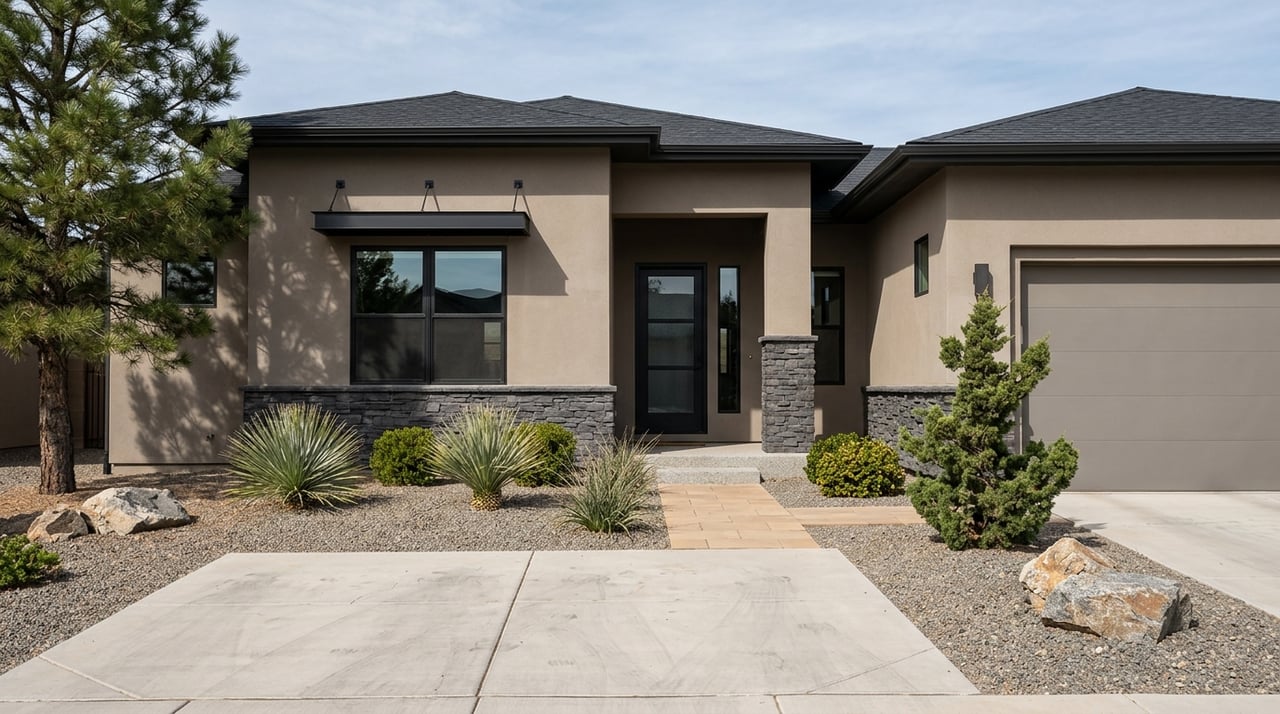
In Prescott Valley, low-maintenance features carry extra weight. The town is in the Prescott Active Management Area, relies on groundwater, and plans for water conservation. That makes water-wise landscaping, efficient irrigation, and manageable outdoor spaces especially relevant.
For some buyers, low-maintenance means fewer weekend chores. For investors and second-home owners, it can also mean a property that is easier to secure, easier to leave for periods of time, and less likely to create preventable upkeep issues.
Energy efficiency and newer systems
Buyer preference research consistently supports energy efficiency as a positive. Homes with efficient appliances, newer systems, and modern construction features may appeal because they can help with comfort, utility awareness, and near-term maintenance planning.
Newer homes may also attract attention because buyers often value open layouts, warranties, and finishes that feel current. Even so, the right older home can still make sense if the condition, price, and upkeep profile line up.
Why Location Matters So Much
In Prescott Valley, location is not just about views or curb appeal. It is also about convenience, access, and how well a property fits everyday routines. That is one reason investors often study road access, nearby services, and the surrounding development pattern before writing an offer.
ADOT describes State Route 69 as a principal arterial and Critical Rural Freight Corridor linking Prescott Valley and Prescott to Interstate 17 and other regional destinations. The same study notes that growth is creating congestion and travel-time pressure. For a buyer, that means access to major routes can support appeal, but traffic exposure and corridor impacts still deserve a closer look.
Prescott Valley also has a meaningful local service base. Census QuickFacts reports $781.8 million in retail sales in 2022, $450.2 million in health care and social assistance receipts, 97.9% of households with a computer, and 92.8% with broadband. For investors and second-home owners, those numbers reinforce the value of convenience and connectivity.
Services that support daily livability
Investors often prefer homes that are near the places people use regularly. Prescott Valley’s town resources include parks and recreation, library services, and development services. The area also includes Yavapai Regional Medical Center emergency services on East Florentine Road and Yavapai College’s Prescott Valley Center on North Glassford Hill Road.
These are not guarantees of investment performance, but they do support the kind of day-to-day functionality many buyers and renters want. In a practical market, that can matter a lot.
The Local Buyer Pool Shapes Demand
Prescott Valley’s housing profile offers clues about what may hold value over time. Census QuickFacts shows that 85.5% of residents lived in the same house one year earlier, 72.3% of housing units were owner-occupied, and 29.9% of residents were age 65 or older.
That combination suggests a market with a relatively settled housing base. It can favor homes that feel easy to care for, easy to navigate, and broadly marketable to different stages of life.
For investors, that often points toward properties with:
- manageable square footage
- practical single-level or user-friendly layouts
- simple outdoor maintenance
- secure, easy-to-monitor condition
- strong everyday convenience
Highly specialized homes can still have a place in the market. But if your goal is steady appeal, many buyers will lean toward homes that solve common needs well.
What to Verify Before You Buy
One of the smartest things an investor can do in Prescott Valley is separate assumptions from confirmed facts. Listing descriptions can be helpful, but they are not a substitute for local verification. The town’s own website highlights planning and zoning, permits, inspections, town code, and water resources for a reason.
Before underwriting a property, take time to confirm details that can affect both use and costs. This step is especially important if you are buying from out of town or considering a second-home setup.
Key due diligence items
- zoning and permitted property uses
- HOA rules and restrictions
- water service details and irrigation setup
- utility costs and system condition
- permit history for additions or conversions
- inspection findings and repair needs
- access and traffic conditions around the property
This kind of local review can protect you from buying a home that looks good online but functions differently in practice.
A Smart Prescott Valley Investment Mindset
The best investor targets in Prescott Valley are often not the flashiest homes. They are the homes that make sense on paper and in person. In a market with moderate yields, relatively stable pricing, and a practical buyer base, investors tend to look for durability, convenience, efficient upkeep, and broad future appeal.
That means you may do better by focusing on homes with sensible layouts, water-wise yards, solid condition, and easy access to daily services and major routes. It also means being careful with your entry price and confirming local restrictions before you move forward.
If you are comparing options in Prescott Valley, local guidance can make the process much clearer. A property that looks similar on a search portal may perform very differently once you account for location, condition, use restrictions, and maintenance profile. Working with a team that understands those details can help you narrow in on homes with stronger long-term logic.
Whether you are buying your first investment property, adding a second home, or evaluating a move from another market, a thoughtful local strategy matters. For tailored guidance on Prescott Valley homes and a high-touch process built for local and remote clients alike, connect with Elena Sanwick.
FAQs
What do investors look for in Prescott Valley homes?
- Investors often look for practical layouts, move-in-ready condition, lower-maintenance yards, energy-efficient features, and convenient access to daily services and major roads.
Is Prescott Valley a high-yield rental market?
- Based on the research provided, Prescott Valley appears to be more of a disciplined, moderate-yield market, with rough gross yield estimates around 4.6% to 4.7% before deeper underwriting.
Why do low-maintenance homes matter in Prescott Valley?
- Low-maintenance homes can be easier to care for, easier to leave unattended part of the year, and more aligned with local water conservation realities and practical buyer preferences.
Why does location matter for Prescott Valley investment property?
- Location can affect convenience, access to SR 69 and regional routes, traffic exposure, and proximity to services that support everyday livability and future resale appeal.
What should buyers verify before purchasing a Prescott Valley home?
- Buyers should confirm zoning, HOA rules, permits, inspections, water service details, utility costs, and any restrictions on how the property can be used.
How does Prescott Valley compare with Prescott for investors?
- Prescott Valley offers a lower typical home value than Prescott, which can make it a more accessible entry point into the broader regional market while still offering many of the same area advantages.
