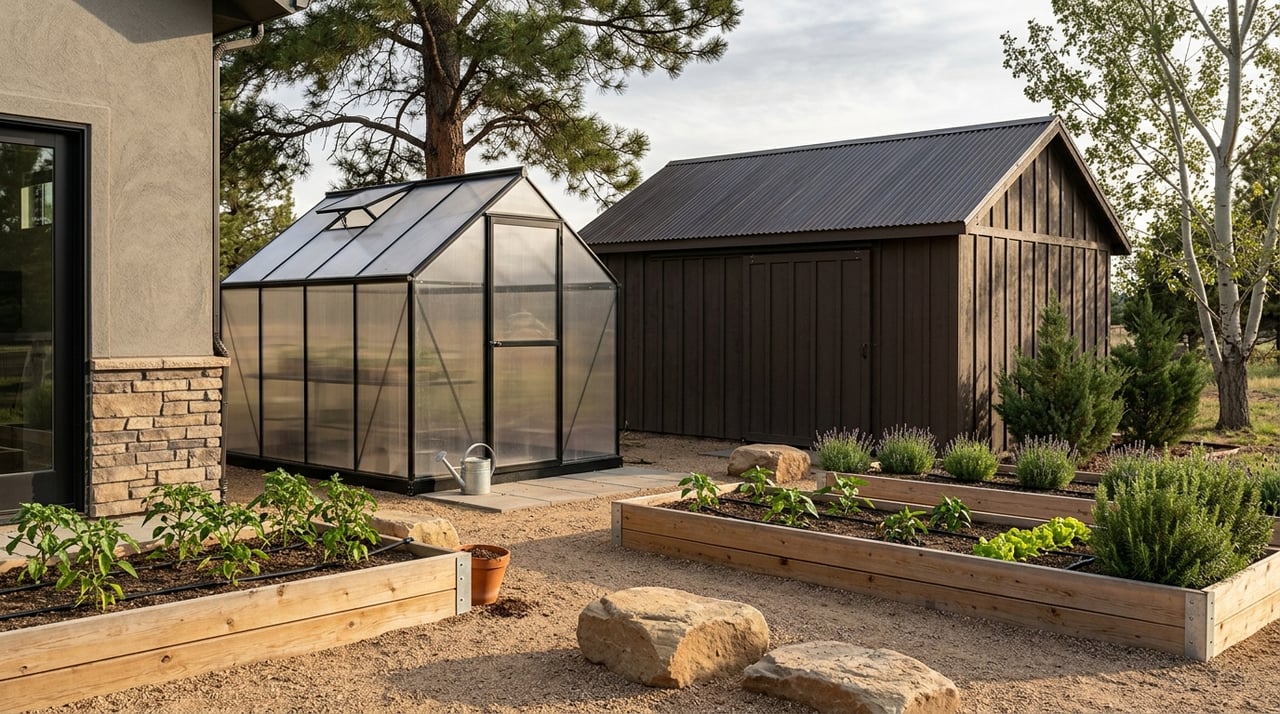
Dreaming about fresh eggs, raised beds, fruit trees, or a few animals with room to breathe? In Chino Valley, that vision can be realistic, but it works best when you understand the land, water, and growing conditions that shape daily life here. If you want a property that supports hobby farming and garden-friendly living, this guide will help you think through climate, acreage, infrastructure, and what to look for before you buy. Let’s dive in.
Why Chino Valley Appeals to Gardeners
Chino Valley offers the kind of space many buyers want when they picture a more hands-on, outdoor lifestyle. You may find room for garden beds, small orchards, pollinator plants, and possibly a few animals, while still staying connected to nearby community resources.
The setting is part of the appeal. Chino Valley sits at 4,639 feet, and Arizona Meteorological Network describes the area as semidesert grassland. Yavapai County Extension places it in USDA hardiness zone 8A, AHS heat zone 8-7, and Sunset zone 10, while also noting that microclimates can vary even within the same ZIP code.
That last point matters more than many buyers expect. Two properties in 86323 can perform very differently depending on slope, wind exposure, shade, pavement, buildings, hedges, and low spots where cold air settles.
Chino Valley Climate Basics
If you are planning a garden or small acreage setup, climate should be one of your first filters. Chino Valley has a high-desert pattern with four clear seasons, warm summers, cold winter nights, and relatively low annual precipitation.
A Western Regional Climate Center period-of-record summary for Chino Valley shows average highs from 52.2°F in January to 92.3°F in July. Average lows range from 21.5°F in January to 58.7°F in July, and annual precipitation is about 11.78 inches, with the wettest months usually falling in July and August.
That means your growing season is not just about winter cold. Yavapai County Extension stresses that summer heat, rainfall timing, humidity, wind, soil texture, and microclimates all affect what grows well and how much work it takes to keep plants healthy.
What Grows Well Here
For many gardeners, Chino Valley is especially well suited to cool-season crops in spring. In higher-elevation parts of Yavapai County, including Chino Valley, Extension notes that short-season crops like lettuce, spinach, carrots, and beets tend to perform reliably.
Warm-season vegetables can still be part of the plan, but timing matters more here than it does in lower-elevation desert areas. The county planting guide places Chino Valley in the 4,500 to 6,000 foot band, which means seed-starting, transplant timing, and variety selection can make a big difference.
Tomatoes and peppers need extra attention. Extension notes that they will not set fruit when temperatures rise above 90°F, so success often depends on getting plants established at the right time and choosing varieties suited to local conditions.
Why Microclimates Matter on Acreage
One of the most useful ideas for buyers in Chino Valley is the concept of microclimates. A property is not just a ZIP code or elevation. It is also the exact way sun, wind, frost, drainage, structures, and soil interact on that parcel.
A south-facing spot near a wall may warm up sooner in spring. A low pocket on the same property may hold frost longer. Paved surfaces, hills, windbreaks, and even hedges can shift how plants perform across a yard or small acreage.
This is why hardiness zones are only a starting point. Extension explains that USDA hardiness zones are most useful for perennial plants and woody ornamentals, while vegetables depend much more on frost timing, heat, and site-specific conditions.
What Daily Life Can Look Like
Hobby farming in Chino Valley is often less about a romantic picture of country life and more about practical systems that support it. You may spend as much time checking irrigation, protecting plants from wind, building soil, and managing water systems as you do planting and harvesting.
Yavapai County Extension points to several common challenges in the central highlands. These include dry air, wind, alkaline or clay-heavy soils, caliche, rocky ground, water limitations, wildfire risk, and pressure from wildlife.
That does not mean the lifestyle is out of reach. It means the best properties are the ones where the land and infrastructure support your goals, whether that is a productive kitchen garden, pollinator-friendly landscaping, fruit trees, or space for a few animals.
Key Property Features to Evaluate
When you tour homes in Chino Valley, it helps to look past the house itself. For a garden-friendly or hobby farm setup, the site can matter just as much as the floor plan.
Here are a few features worth close attention:
- Sun and wind exposure: Notice where the strongest wind hits and where the best full-sun areas are.
- Topography: Slopes, low spots, and drainage patterns can affect frost, runoff, and planting areas.
- Soil conditions: Alkaline, clay, caliche, and rocky soils are common concerns in the area.
- Water access: A property’s irrigation setup, well planning, and water storage potential can shape what is practical.
- Space for support structures: Greenhouses, compost areas, fencing, and storage can make day-to-day use much easier.
- Wildfire planning: If the parcel borders native vegetation or open space, defensible-space planning should be part of your review.
Yavapai County Extension also notes that county GIS tools can help with planning house, well, septic, and landscape placement. That can be especially valuable when you are weighing how a parcel may function over time.
Water, Wells, and Septic Basics
On modest acreage, water and wastewater systems are often central to how the property lives. If a home is served by a private well, Arizona public-health guidance says that well water is not regulated or routinely tested by the government.
The Arizona Department of Health Services recommends annual well testing for bacteria and nitrates. That guidance is important for buyers because water quality and maintenance are part of the long-term ownership picture, not just the purchase decision.
Septic also deserves careful review. ADHS notes that septic systems are designed for suburban and rural areas that are not served by centralized sewer, and septic failures can contaminate groundwater.
Planning for Animals on Small Acreage
If you hope to keep horses, chickens, or other domestic animals, it is smart to verify what a specific property can support before you fall in love with it. Yavapai County Extension notes that native grasses are not enough to sustain healthy horses, and some properties may need multiple water sources if they depend on a well.
Extension also states that the number of domestic animals allowed per acre is governed by CC&Rs or local planning and zoning rules. In other words, acreage alone does not answer the question.
This is one reason lifestyle property buyers benefit from a detailed, property-by-property approach. The right parcel is usually the one where land, infrastructure, and use rules line up with how you actually want to live.
Firewise and Landscape Planning
In a high-desert setting, landscape design is not only about beauty or productivity. It can also be part of wildfire risk planning, especially on parcels near native vegetation or open land.
Local Extension materials treat plant choice, maintenance, and landscape layout as wildfire risk factors. Firewise and defensible-space planning can be an important part of how you evaluate long-term stewardship of a property.
That can still work beautifully with a garden-friendly lifestyle. Many buyers look for a balance of useful planting areas, water-conscious landscaping, wind protection, and practical spacing around structures.
Community Resources for Gardeners
A big advantage of Chino Valley is that you are not figuring everything out on your own. Yavapai County has a visible gardening and education network that can help new and experienced growers alike.
Yavapai County Master Gardener Help Desks in Prescott and Camp Verde offer free pH soil testing along with a wide range of local gardening resources. The Yavapai gardening program also covers irrigation, compost, edibles, greenhouses, fencing, fruit trees, landscaping, plant lists, weeds, and wildlife.
There is also strong evidence of an active gardening community in and around Chino Valley. Recent public programming included topics like managing microclimates, growing berries, and intensive gardening, and the county garden tour has included Chino Valley connections as well.
What This Means for Homebuyers
If you are shopping for a garden-friendly property in Chino Valley, it helps to think beyond curb appeal. The question is not only whether a home has land. The better question is whether the land is usable for the way you want to live.
A smaller, well-planned parcel with workable access, manageable wind, useful sun exposure, and solid water infrastructure may fit your goals better than a larger property with difficult soil, frost pockets, or limited flexibility. The best lifestyle properties usually feel intentional from the ground up.
This is where local knowledge matters. When you are comparing homes with acreage, wells, septic systems, fencing, garden potential, or room for animals, a detailed understanding of Chino Valley can help you make a more confident decision.
If you are exploring hobby farming, acreage living, or a garden-centered move in Yavapai County, Elena Sanwick can help you evaluate the details that matter most and find a property that fits your lifestyle goals.
FAQs
What makes Chino Valley good for hobby farming and gardening?
- Chino Valley offers space, a four-season high-desert climate, and access to local gardening resources, but success depends on microclimates, water planning, soil conditions, and timing.
What vegetables grow well in Chino Valley, Arizona?
- Yavapai County Extension notes that short-season crops like lettuce, spinach, carrots, and beets tend to perform reliably in spring in Chino Valley.
What climate challenges affect gardening in Chino Valley?
- Common challenges include dry air, wind, low annual precipitation, summer heat, cold winter nights, alkaline or clay-heavy soils, caliche, rocky ground, and wildlife pressure.
What should buyers check on a Chino Valley acreage property?
- Buyers should review sun and wind exposure, topography, soil conditions, water access, space for support structures, wildfire planning, and how well, septic, and landscape placement may affect long-term use.
What should buyers know about private wells in Chino Valley?
- Arizona public-health guidance says private well water is not routinely regulated or tested by government, and ADHS recommends annual testing for bacteria and nitrates.
Can you keep animals on acreage in Chino Valley?
- It depends on the specific property, because Yavapai County Extension says domestic animal allowances are governed by CC&Rs or local planning and zoning rules, and water and feed needs also matter.
