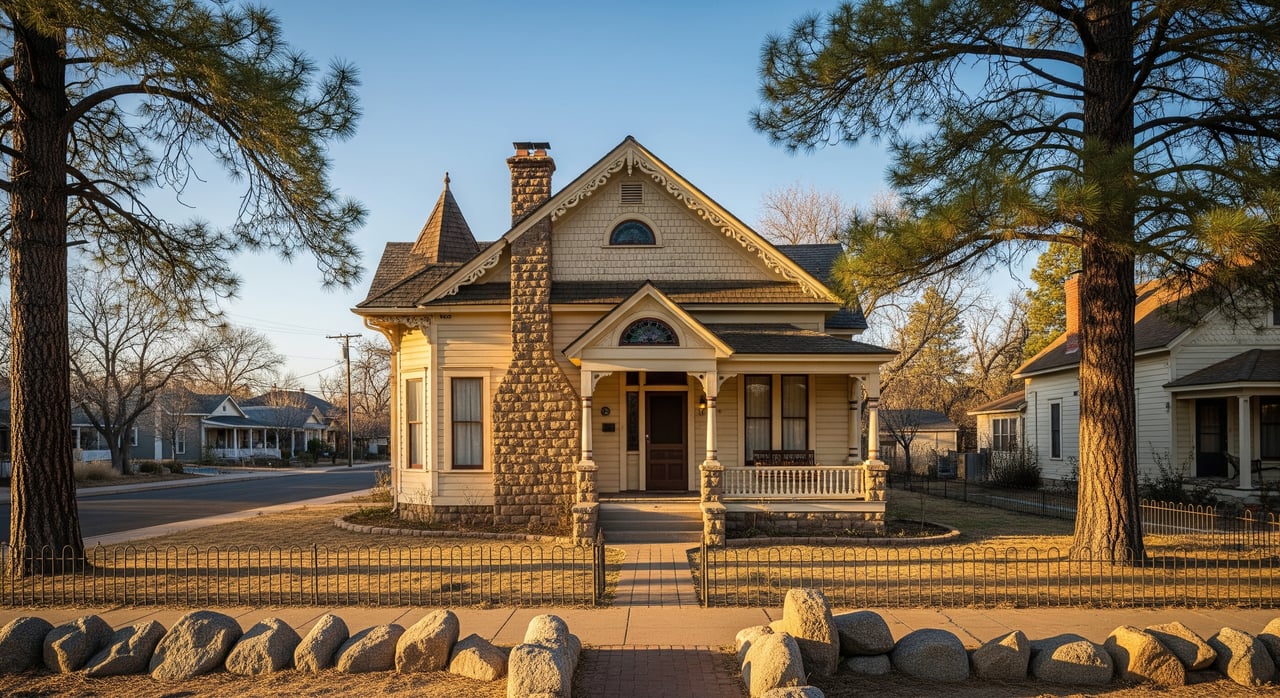
Love the idea of morning coffee a short stroll from Prescott’s Courthouse Plaza, with tree‑lined streets and porch-front homes all around you? If you’re drawn to history, character, and a true small‑city downtown feel, central Prescott delivers it in a big way. Buying in a historic area is a little different than buying in a newer subdivision, though. In this guide, you’ll learn what to expect, how to evaluate historic homes with confidence, and where to go for answers. Let’s dive in.
What makes historic Prescott special
Central Prescott centers on the Courthouse Plaza, sometimes called the Square, and extends along nearby streets like Whiskey Row. The fabric here is compact and walkable, with smaller blocks, alleys, and a traditional street grid. You’ll find mature shade trees, front porches, and sidewalks that make it easy to enjoy shops, dining, and civic events.
Lots are often smaller and irregular compared to suburban areas. Many homes are detached, with mixed‑use buildings close by. The result is a neighborhood rhythm that feels intimate and connected to daily life around the Plaza.
Architectural styles you’ll see
Victorian-era homes
You’ll notice Queen Anne and Folk Victorian styles with asymmetrical facades, decorative wood trim, bay windows, and porches. Some homes show Italianate influences like bracketed eaves and tall, narrow windows. Rooflines can be steep, and a few properties include turrets or towers.
Bungalow and Craftsman
Early 1900s to 1920s bungalows feature low‑pitched roofs and wide eaves with exposed rafters. Porches often have tapered columns on piers, and details highlight natural materials and handcrafted elements. These homes tend to feel cozy and practical.
Territorial and Southwestern vernacular
These houses lean simple and boxy, sometimes with stucco over masonry. Roofs can be flat or low‑pitched in response to the local climate. The palette often blends well with Prescott’s landscape.
Western commercial facades
Along corridors such as Whiskey Row, you’ll see two‑story commercial buildings with decorative parapets and strong storefront presence. They help define the area’s mixed‑use character and historic streetscape.
Typical lot and home features
- Smaller, variable lot sizes, often with alleys and limited off‑street parking.
- Mature shade trees and established landscaping that add privacy and charm.
- Wood siding, brick, masonry, or stucco exteriors; older stone or masonry foundations or pier‑and‑beam are possible.
- Original single‑pane wood windows and historic trim details are common unless replaced.
- Roofs may have started as wood shingles, metal, or early composition; many homes include chimneys and brickwork.
- Mechanical systems are often a mix of original and upgraded components.
These features create a distinctive look and feel, but they also call for proactive maintenance.
Owning in a historic area: rules and expectations
Designation types and why they matter
Historic properties can have different designations. A local historic district or locally designated landmark often requires a city review and approval for exterior changes. A National Register of Historic Places listing recognizes significance and can open the door to incentives, but it typically does not restrict private owners unless federal funding or permits are involved. The Arizona State Historic Preservation Office provides guidance and information on incentives.
If a property is locally designated, expect to work with the City of Prescott’s Historic Preservation staff and commission for exterior updates. Many projects require a Certificate of Appropriateness or similar approval before you begin.
Permits, zoning, and allowed uses
Plan on city permits for renovations. Larger projects can involve building code compliance paths tailored to historic properties. Zoning near the Plaza can include residential and mixed‑use options, so confirm allowed uses, parking requirements, and any rules for accessory units or rental plans before you buy.
Costs, incentives, and insurance
- Maintenance and repairs for historic materials can cost more. You may need specialized contractors for woodwork, plaster, masonry, and windows.
- Incentives vary by program. Federal historic tax credits tend to focus on income‑producing properties. For homeowners, programs change, so check state and local guidance before budgeting.
- Insurance and financing can be different for older homes. Lenders may require system updates, and FHA/VA loans have specific property standards. Work with lenders and insurers familiar with historic structures.
Preservation priorities
Expect guidelines that favor repair over replacement, especially for visible features like wood windows, roofs, porches, and trim. Moisture control is critical. A contractor who understands preservation best practices can save you money and protect your home’s character.
How to evaluate condition and value
Pre‑offer research
- Confirm whether the home is locally designated and what exterior changes require review.
- Check zoning, permitted uses, and any recorded covenants or historic easements on title.
- Focus on comparable sales near the Plaza and within the same historic context, not citywide averages.
Inspection priorities
- General home inspection by a pro experienced with older properties.
- Structural review for settlement, foundation movement, sagging floors, and porch framing.
- Roof and flashing assessment, including around chimneys and dormers.
- Chimney and fireplace inspection for flues and mortar condition.
- Electrical review for dated wiring and service capacity.
- Plumbing evaluation for galvanized pipes, lead solder, cast iron drains, and sewer lateral condition. A sewer camera scope is wise.
- Pest inspection for drywood and subterranean termites and any history of treatment.
- Lead paint testing for pre‑1978 homes and asbestos testing where applicable.
- Moisture and drainage check for gutters, grading, and any signs of intrusion.
- Preservation‑specific review by a historic‑savvy contractor or architect to identify character‑defining elements.
Value factors in central Prescott
- Proximity to the Courthouse Plaza, walkability, and views can command a premium.
- Intact period details and architectural significance often increase desirability.
- A well‑preserved home with older systems may be priced differently than a fully modernized home with fewer original features.
- If you plan second‑home use or short‑term rental, verify local rules, parking, and logistics before you buy.
Red flags to watch
- Unpermitted additions or conversions.
- Significant structural movement, rot, or moisture issues.
- Active pest infestations or recurring dry rot.
- Grading or drainage problems that threaten the foundation.
- Extensive remodels that removed character‑defining elements.
Offer strategy and budgets
- Budget for immediate safety and system upgrades, plus ongoing preservation maintenance.
- Include contingencies for specialized inspections like chimney, sewer scope, and environmental testing.
- Consider holdbacks or review periods if major restoration is planned.
Practical resources and next steps
- City of Prescott Planning and Historic Preservation staff for designation status, exterior review steps, and approvals.
- Yavapai County Recorder and Assessor for legal descriptions, recorded covenants, easements, and property records.
- Arizona State Historic Preservation Office for guidance on incentives and technical resources.
- National Park Service for National Register information and preservation best practices.
- Historic‑savvy inspectors, structural engineers, and preservation architects for expert evaluations.
- Lenders and insurance agents with experience in older homes to confirm financing paths and coverage.
If you want a walkable lifestyle near the Plaza and a home with true character, central Prescott is a compelling choice. With a clear plan, the right inspections, and a preservation‑minded team, you can protect your investment and enjoy everything this historic setting offers.
Ready to explore historic homes with a guide who understands designations, inspections, and value in central Prescott? Connect with Elena Sanwick for a tailored buying strategy, contractor introductions, and a smooth, concierge experience from first tour to closing.
FAQs
What should I know before buying a historic home in central Prescott?
- Confirm the property’s designation status, understand any exterior review requirements, and budget for specialized maintenance and inspections.
How do local historic rules differ from the National Register?
- Local designation can require city review and approvals for exterior changes, while National Register listing generally recognizes significance without restricting private owners.
Which inspections are most important for older Prescott homes?
- Structural, roof, chimney, electrical, plumbing with sewer scope, pest, lead paint for pre‑1978, asbestos where applicable, and moisture management checks.
Do historic homes cost more to maintain than newer homes?
- Often yes. Historic materials and details may need specialized repair, and skilled contractors can be more expensive, but they help preserve long‑term value.
Can I replace original windows for energy efficiency in Prescott’s historic areas?
- Many guidelines prefer repair over replacement on visible elevations. If replacement is allowed, like‑for‑like materials and profiles are often required.
Are there tax incentives for renovating a historic home in Arizona?
- Incentives vary. Federal tax credits focus on income‑producing properties. Check state and local programs for current options and eligibility.
How does location near Courthouse Plaza affect value?
- Proximity to the Plaza, walkability, and intact period features often increase demand and can support stronger pricing.
