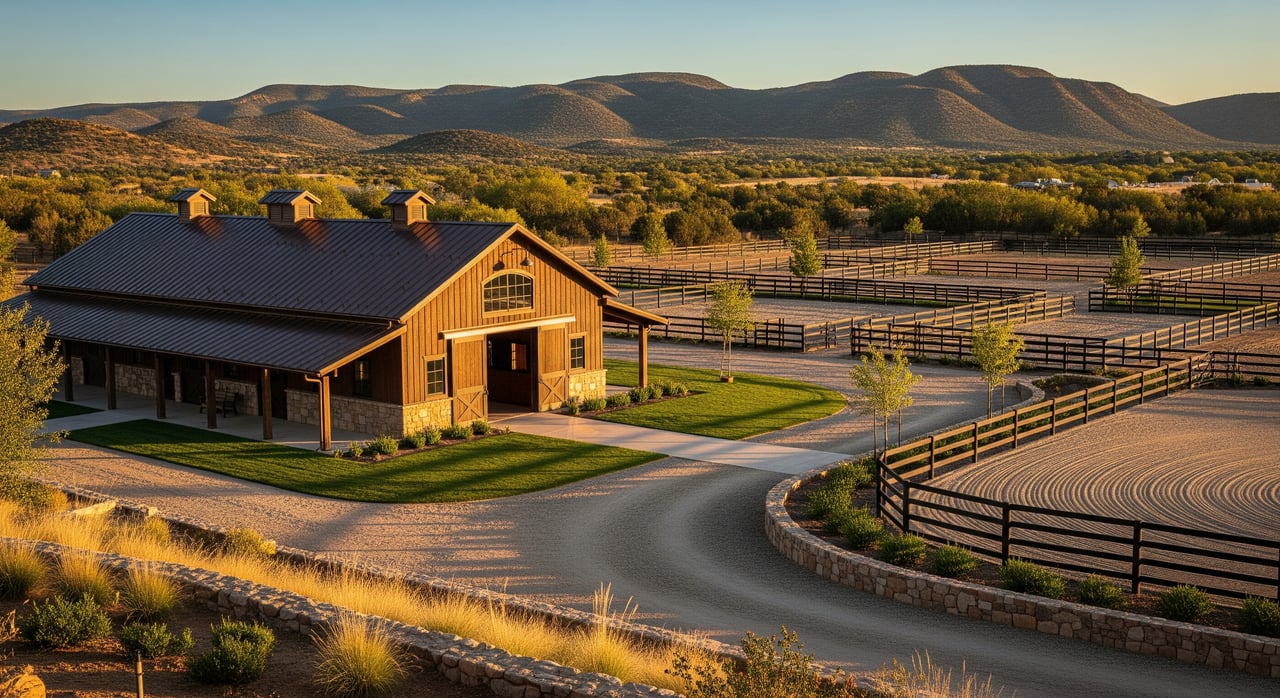
Looking at horse properties in Dewey-Humboldt and wondering what really matters for daily riding and long-term value? You want room to breathe, easy access to trails, and facilities that work as hard as you do. With a little local insight, you can avoid costly surprises and choose land that fits your horses and your lifestyle. This guide gives you the core basics, from acreage and arena sizes to trailer access and smart due diligence. Let’s dive in.
Why Dewey-Humboldt works for riders
Dewey-Humboldt offers a semi-rural setting with a mix of hobby ranches, small-acreage parcels, and larger tracts. Many buyers choose the area for a quieter lifestyle and the chance to be closer to public lands. You get more space and lower density than nearby urban hubs, which makes horsekeeping more practical.
Access to multi-use trails on nearby public lands is a major draw. Riders often use trail systems managed by public agencies in the greater Bradshaw and Prescott region. Close proximity to trailheads can reduce the need for a large on-site arena, especially if you plan to trailer out for variety and conditioning.
Local rules also matter. Plan to verify county zoning, any neighborhood covenants or HOA rules, recorded access or easements, and wildfire defensible space expectations with Yavapai County Planning and Zoning and the Town of Dewey-Humboldt. These determine what you can keep, where you can build, and how you use the property.
How much land you really need
Acreage is only part of the story. Usable land depends on slope, rockiness, flood channels, and where your driveway or gates sit. A five-acre parcel with steep draws may function more like a flat two-acre lot once you carve out room for a driveway, barn, paddocks, and a small arena.
Here is a practical look at common parcel sizes and what they typically support:
- 1–3 acres: Works for one or two horses with limited turnout. Plan on loafing sheds, small fenced paddocks, and basic tack storage. Expect to buy hay and feed rather than relying on pasture.
- 3–10 acres: Good for a few horses, plus the flexibility to create separate paddocks, a modest arena, and rotation spaces. You can improve hay storage and layout for easier daily work.
- 10–40+ acres: Best for larger barns, multiple arenas, more separation from neighbors, and the potential for hay production. This tier can also fit small commercial or breeding use if zoning allows.
Arizona’s arid climate shapes your plan. Pasture is less predictable than in humid regions, so most owners supplement grazing with hay and feed year-round. Build a plan for reliable water, stock tanks, and a winter hay supply. A well-organized feed and storage setup is a practical must.
Arena and round pen basics
You do not need a competition arena to ride at home, but a functional, well-drained space helps you work your horses consistently. If there is an existing arena, check that the base is reasonably level, the surface drains after rain, and there are no deep ruts or standing water.
Common size targets to keep in mind:
- Personal riding and schooling: about 60 × 120 feet is a solid everyday size.
- Dressage: 20 × 40 meters (about 66 × 131 feet) for a small arena or 20 × 60 meters (about 66 × 197 feet) for a standard arena.
- Multi-use or roping: 100 × 200 feet or larger, depending on your goals.
- Round pen: 50–60 feet in diameter for general training, larger if you start young horses.
Orientation and wind exposure are site specific. If you have a choice, aim for an orientation that reduces glare and prevailing winds during your riding hours. Good lighting, nearby water, and a wash area make the setup far more functional.
Trailer access that saves you time
Even if you ride at home, you will likely trailer to nearby trailheads or clinics. A property that handles a truck and trailer without stress is a real quality-of-life upgrade.
Look for these features:
- Turning space: A comfortable turning radius and a level staging area so you can pull in, unload, and back out without blocking the road.
- Dedicated trailer parking: Plan on roughly 12 feet of width and 40–60 feet of length per rig, depending on your setup. A clearly defined parking stall is a strong resale feature.
- Gate clearance: Gates and driveway openings should fit your rig’s height and width. Tight or steep entries make everyday hauling harder than it needs to be.
If access looks questionable, visit the property with your trailer. It is the best way to confirm real-world usability.
Trail access and local riding options
Dewey-Humboldt riders often use trail networks on public lands managed by regional agencies. Horses are commonly allowed on designated trails, though rules and seasonal restrictions vary by location. Proximity to trailheads that allow trailer parking makes day rides easier and reduces your need for a large arena at home.
What many buyers value most:
- Day-ride convenience: Short drives to trailheads open up more frequent rides.
- Ride variety: Terrain around the area includes mixed desert and forest corridors, plus distinctive rock features and scenic routes.
- Community resources: Local clubs often organize group rides and share current trail conditions, which can be helpful if you are new to the area.
Keep in mind that some state trust lands and private lands need permits or permission to access. Seasonal closures, wildfire restrictions, or grazing allotments can also affect trail availability, so it is smart to check current rules before you go.
Features that boost everyday use and resale
Certain features make daily chores easier and help protect long-term value. When you compare properties, look for:
- Functional fencing: Pipe rail, post-and-rail, or horse-safe woven wire are preferred. Cross-fencing to create multiple paddocks adds flexibility.
- Barn and stalls: Good ventilation, straightforward access to feed and hay storage, and a secure tack room. A simple wash area near the handling space is useful.
- Reliable water: Stock tanks or troughs with plumbing run to paddocks and barns. Confirm long-term water reliability for livestock.
- Arena and round pen: Even a modest arena and a safe round pen are high on many buyers’ lists.
- Trailer parking and gates: A clear turnaround and wide gates reduce daily stress.
- Covered hay and equipment storage: Protects supplies and lowers operating costs.
- Manure management: A workable plan for storage or composting and easy access for removal.
- Privacy and buffers: Setbacks, windbreaks, or shelterbelts can improve comfort and resale appeal.
- Proximity to services: A reasonable drive to feed suppliers, vets, farriers, and emergency services is a practical plus.
Also watch for red flags that can drain time and money:
- Poor driveway access that makes hauling difficult.
- Inadequate or unsafe fencing that needs full replacement.
- Covenants or HOA rules that restrict horse numbers or facilities.
- High wildfire risk without defensible space already established.
- No place to park or turn a trailer without blocking the road.
Modest, well-laid-out facilities on small acreage often attract lifestyle buyers who ride for pleasure. Larger, highly functional acreage is valuable when you need turnout, hay production, or more intensive use.
Smart due diligence for equestrian buyers
A horse-ready property is about more than a barn and a fence. Before you write an offer, use this checklist:
- Confirm zoning and covenants: Ask Yavapai County and the Town of Dewey-Humboldt about animal limits, setbacks, permitted uses, and any rules for commercial boarding.
- Verify water and hay logistics: Check water reliability for livestock and plan hay storage or regular delivery. Know how much off-site hauling you will need.
- Test trailer access: Bring your truck and trailer if possible. Confirm you can enter, turn, and park without risk.
- Understand trails and access: Identify nearby trailheads that allow horses and trailer parking. Ask about seasonal conditions, closures, and permits where required.
- Evaluate wildfire risk: Look for defensible space and evidence of mitigation. Ask about local expectations and maintenance requirements.
- Review utilities and services: Gauge drive times to vets, farriers, feed stores, and emergency services.
- Check easements and legal access: Confirm recorded easements, right-of-ways, and any limitations that could affect arena placement, fencing lines, or turnout.
- Clarify insurance and liability: Ask your insurer about coverage for equestrian activities or any future boarding plans.
On the ground, a practical approach helps:
- Tour with a horse-savvy agent or an equestrian consultant.
- Inspect fencing, gates, arena footing, drainage, and staging areas in person.
- Request HOA documents and proof of approvals for existing barns or arenas.
- Visit at different times of day to check wind, dust, and traffic patterns.
- Talk to neighbors about access, drainage, or livestock concerns.
Work with a local, horse‑savvy team
If you are buying in Dewey-Humboldt, you deserve advice grounded in local experience. You want someone who understands how arena size, water reliability, and trailer access affect daily riding and resale. You also want a partner who can coordinate inspections, line up contractors, and manage details if you are out of town.
Our team focuses on lifestyle and acreage properties across Yavapai County, including equestrian homes and hobby ranches. We pair thoughtful guidance with a project-managed approach so your search, due diligence, and closing feel straightforward. When you are ready to compare properties or map out a plan, connect with Elena Sanwick for a friendly, informed conversation.
FAQs
How many acres do I need for two horses in Dewey-Humboldt?
- Many buyers find 1–3 acres workable for one or two horses with small paddocks and loafing sheds, plus purchased hay and feed rather than pasture.
What is a good arena size for everyday riding at home?
- Around 60 × 120 feet works well for schooling, while dressage riders often target 20 × 40 meters or 20 × 60 meters depending on goals.
How should I evaluate trailer access on a property?
- Look for a level staging area, a comfortable turning radius, and a dedicated 12-foot by 40–60-foot parking space, plus wide gates and a safe driveway.
Where can I ride off property around Dewey-Humboldt?
- Riders commonly access public multi-use trails on nearby managed lands. Verify current rules, parking, and seasonal restrictions with the relevant agencies before you go.
What fencing types are preferred for horse safety?
- Pipe rail, post-and-rail, or horse-safe woven wire are preferred over barbed wire. Cross-fencing to create multiple paddocks adds flexibility.
How does Arizona’s climate affect pasture and feed?
- Arid conditions mean lower pasture productivity than humid regions. Most owners plan for supplemental hay and feed and secure water for stock tanks.
What due diligence steps should I take before closing?
- Confirm zoning and covenants, verify water reliability, test trailer access, review any easements, evaluate wildfire defensible space, and check proximity to equine services.
