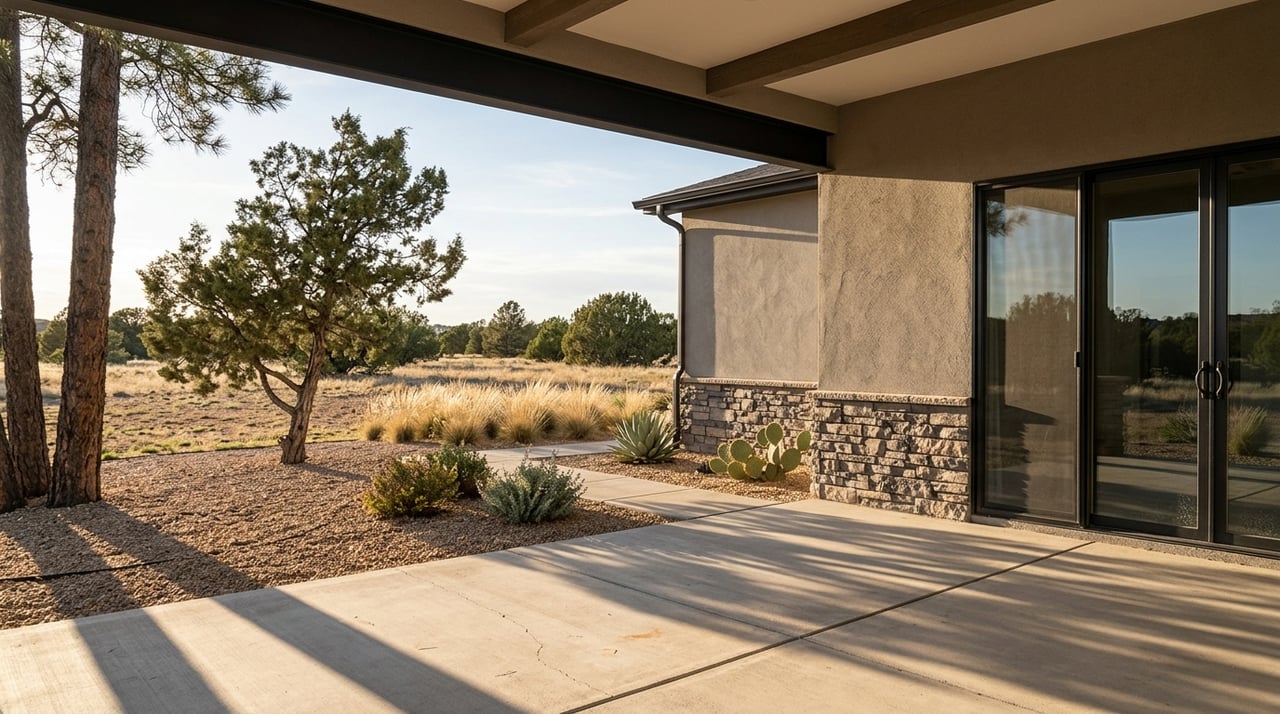
Looking for a place where you can enjoy open land, a slower pace, and easy access to daily essentials? Chino Valley offers a version of country living that feels grounded, practical, and connected to the wider Prescott area. If you are considering a move to 86323, this guide will help you understand what everyday life looks like, from recreation and local services to agriculture, water awareness, and the town’s rural character. Let’s dive in.
What Country Living Means in Chino Valley
Chino Valley is a high-desert town in Yavapai County along State Route 89, with a strong rural identity and wide-open scenery. According to the town, it spans roughly 63 square miles, with rolling grasslands, cooler summers, mild winters, and the kind of dark skies that make starry nights part of daily life.
That setting shapes the lifestyle in a real way. You are not moving here for a dense urban environment or nonstop commercial activity. You are moving here for open space, a quieter rhythm, and a community that has intentionally worked to preserve its historic rural character.
A Town With Deep Historic Roots
Chino Valley’s story is closely tied to Del Rio Springs, where Arizona’s first Territorial government was established in 1863. The area later developed through homesteading, farming, and ranching, which still influence the town’s identity today.
The town’s acquisition of the Fred Harvey Farm at Del Rio Springs reflects that ongoing connection to local history. According to the town’s 2024-25 annual report, the goal is to preserve historic buildings and land within a future state park.
Daily Life and Local Convenience
One of the biggest questions buyers ask about rural living is simple: will daily life feel manageable? In Chino Valley, the answer is often yes, especially if you want room to breathe without giving up the basics.
The town provides core services that support full-time living, including Town Hall, council services, police, water and sewer utilities, recreation facilities, and a public library. The library offers free cards, digital materials, online classes, and community-room access, which adds a useful community hub to everyday life.
You can also find educational and workforce resources nearby. The Yavapai College Chino Valley campus supports the area’s agricultural and technical focus through the Agribusiness & Science Technology Center, which helps reinforce the town’s practical, hands-on character.
Water Matters in Country Living
If you are exploring acreage, hobby ranch property, or rural residential living, water should be part of your thinking from the start. In Chino Valley, water is not just a utility. It is part of long-term planning and local stewardship.
The town’s Water Resources department states that it plans for current and future demand through safe-yield practices, conservation, drought planning, aquifer recharge, and augmentation. The utilities division also emphasizes protecting the town’s sole water source.
For you as a buyer or property owner, that means water awareness is part of the local culture. It is one more reason why country living here tends to attract people who value land stewardship, practical planning, and a more intentional relationship with the environment.
Agriculture Still Shapes the Lifestyle
Chino Valley’s rural identity is not just aesthetic. Agriculture remains a visible and meaningful part of the broader area.
The University of Arizona Cooperative Extension describes Yavapai County as a ranching area where about 75% of county land is public and largely rangeland. It also notes that the county remains livestock-dominant, which helps explain why the region continues to appeal to buyers looking for space, small-acreage flexibility, or a property that supports a more hands-on outdoor lifestyle.
If you are drawn to gardening, hobby farming, or simply having more usable land, that local context matters. The Cooperative Extension’s overview of rangeland management in Yavapai County also highlights resources that connect well with the realities of rural land use in this part of Arizona.
Community Events Keep It Grounded
Even with all that open space, Chino Valley is not isolated in spirit. Community events help create a sense of rhythm throughout the year and reinforce the town’s agricultural roots.
Yavapai College highlights seasonal events such as the Harvest Festival, which includes hayrides, plant sales, corn mazes, pumpkin patches, and tractor shows. These are the kinds of traditions that give a town a distinct sense of place without trying to be something it is not.
The town’s recreation department also supports annual events like Territorial Days. Together, these activities add local connection and give residents reasons to gather in ways that feel casual and community-focused.
Parks, Classes, and Recreation Close to Home
Country living does not have to mean giving up organized recreation. In Chino Valley, you can enjoy both open land and local facilities that support active daily life.
The town’s Parks and Recreation department manages parks, ball fields, an aquatics center, and community classes such as yoga, line dancing, and tai chi. That mix can be appealing if you want a rural setting with a few built-in ways to stay active and connected.
For many buyers, this balance is a big part of the appeal. You can have elbow room at home while still enjoying public spaces and simple community amenities nearby.
Easy Access to Forest Adventure
One of Chino Valley’s strongest lifestyle advantages is its access to outdoor recreation beyond town limits. If you enjoy hiking, horseback riding, mountain biking, or scenic drives, the surrounding region gives you plenty of room to explore.
The Prescott National Forest’s Chino Valley Ranger District includes opportunities for hiking, backpacking, horseback riding, horse camping, mountain biking, OHV use, wildlife viewing, and dispersed recreation. Destinations in the district include Camp Wood, Emerald Glade, Sycamore Trail, Juniper Mesa Wilderness, Apache Creek Wilderness, and Woodchute Wilderness.
That access strengthens the country-living appeal in a practical way. You are not just buying land or a house. You are buying proximity to a landscape that supports a very outdoor-oriented lifestyle.
Dining and Small-Town Flavor
Chino Valley keeps a smaller commercial footprint than more built-up areas, but it still offers local flavor. The town’s annual report describes a restaurant scene along with a microbrewery and a vineyard, which adds a layer of small-business personality to daily life.
That matters if you want some local options without losing the rural feel. You can enjoy a quiet, country setting while still having a few places that help the town feel lively and welcoming.
Who Chino Valley May Appeal To
Chino Valley often stands out for buyers who want space, flexibility, and a more grounded pace of life. It can be a strong fit if you are looking for:
- More land and breathing room
- A rural setting with core town services
- Access to outdoor recreation near Prescott
- A community with ranching and agricultural roots
- A lifestyle that values stewardship, self-direction, and open space
It may also appeal to second-home buyers or those searching for acreage, equestrian potential, or hobby-ranch possibilities in Yavapai County. If that is your goal, understanding the town’s water-conscious mindset, recreation access, and agricultural context can help you choose the right property more confidently.
A Practical Way to Think About Chino Valley
The best way to picture Chino Valley is not as a suburb or a resort town. It is a place where rural character remains central, where open land still defines the visual landscape, and where everyday life blends practical convenience with outdoor freedom.
If you want polished amenities on every corner, this may not be the right match. But if you are looking for a place where country living feels real, supported, and connected to the broader Prescott-area lifestyle, Chino Valley deserves a serious look.
When you are ready to explore acreage, lifestyle property, or a move within Yavapai County, Elena Sanwick can help you navigate the local market with clear guidance and a tailored approach.
FAQs
What is country living like in Chino Valley, Arizona?
- Country living in Chino Valley typically means open space, a rural atmosphere, cooler high-desert summers, mild winters, and access to basic town services while maintaining a quieter pace of life.
Does Chino Valley, Arizona have everyday services for full-time residents?
- Yes. Chino Valley offers core services such as police, water and sewer utilities, recreation facilities, Town services, and a public library, making it practical for full-time living.
Why is water an important topic in Chino Valley, Arizona?
- Water matters because the town treats it as a long-term planning priority, with conservation, drought planning, aquifer recharge, and protection of its sole water source all playing a role.
Is Chino Valley, Arizona known for agriculture and ranching?
- Yes. Chino Valley and the broader Yavapai County area have strong farming and ranching roots, and the region remains closely tied to livestock, rangeland, and agricultural education.
What outdoor activities are near Chino Valley, Arizona?
- Nearby recreation includes hiking, horseback riding, mountain biking, backpacking, scenic drives, wildlife viewing, OHV use, and dispersed recreation in the Prescott National Forest’s Chino Valley Ranger District.
Are there community events in Chino Valley, Arizona?
- Yes. Community events and seasonal activities include Territorial Days and Harvest Festival-style programming that reflects the town’s agricultural and small-town character.
